The Biology of Stress,
Rest & Resilience
6 Week Certificate Training
Complete the stress cycle your nervous system
was never taught to finish.
Starts Monday, July 6th
Register Now
Here's the replay of our Stress Module Q&A, where we explore why stress was never the real problem, and how your body can learn to hold more without breaking. We also share a practical, biology-based approach to build capacity, complete the stress response, and find your way back to calm aliveness.

What Practitioners Say About
The Biology of Stress, Rest & Resilience Module
"I'm aware now of the startles and stresses all throughout my day. Finally my body feels what leaning into it means — and it's such a relief."
"Anger used to take over instantly — now I see it as a tool that motivates me through difficult times. For the first time, I actually love my body."
"It's just so exciting to me, and I'm really happy that we got to learn these information because in psychology, I never learned these things in university or something like that. I really didn't."
– Shabnam
"This module has just been so pivotal for me...It's like we're only halfway done, and I've gotten this much"
– Terri Pena
"So I found the information extremely helpful, because when you can explain the biology then you build up to activities...
My goal with that in this program would be to have the patient identify where the pain is inside them, like we did for me."
– Mary Ansel
"This is the real deal, like I share with everyone, it is just absolutely amazing. It's changing, is truly changing my life, and I'm seeing that I'm actually starting to truly embody it, and that's what I really want."
– Lanniece Hall
"This is the first resource, in five years, and understanding I've had of how to deal with a startle response and be able to not adding more stress every time the microwave beeps."
– Laurel Fedor
"I learned more about the nervous system through this program...it's really helped me actually be able to have more tools to work through it and not just mentally think through it, but to really work through it"
– Emily
"So it's all the different types of therapies, or medical doctor, what it and it's how this is integratable in every every aspect of our lives and in every profession"
– Renita Gevers
"This is a gift that was given to me. I received it to myself, and now I'm able to give it to other people"
– Rachel Natvig
“I finally get it. And it's like it's such a relief, because the feelings and the emotions were so overwhelming and unmanageable, and then all I have to do is just lean into this and and hold it with sacredness.”
– Shawn
“I'm doing all these things, and it feels empowering, probably moving out of that whole learned helplessness to go. Well, I can do this. I can support my own self. So, thank you. It's been awesome.”
– Tamika Rose
This an integrative & holistic training
A blending of several fields and modalities for an effective approach

The 6 Steps
My commitment: I will guide you through 6 essential steps to complete your stress cycle.
And build the biological capacity to regulate yourself and hold space for others.
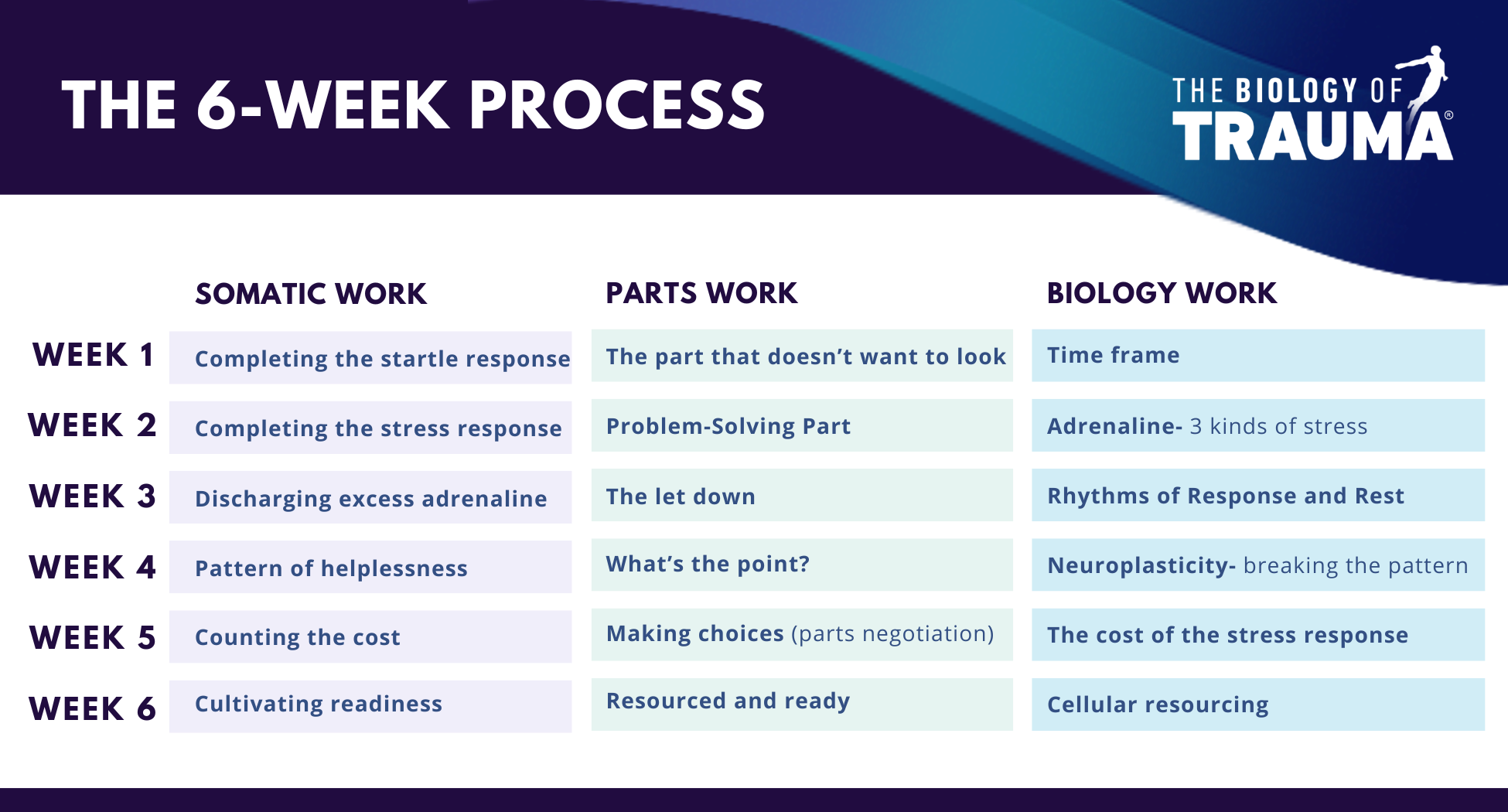
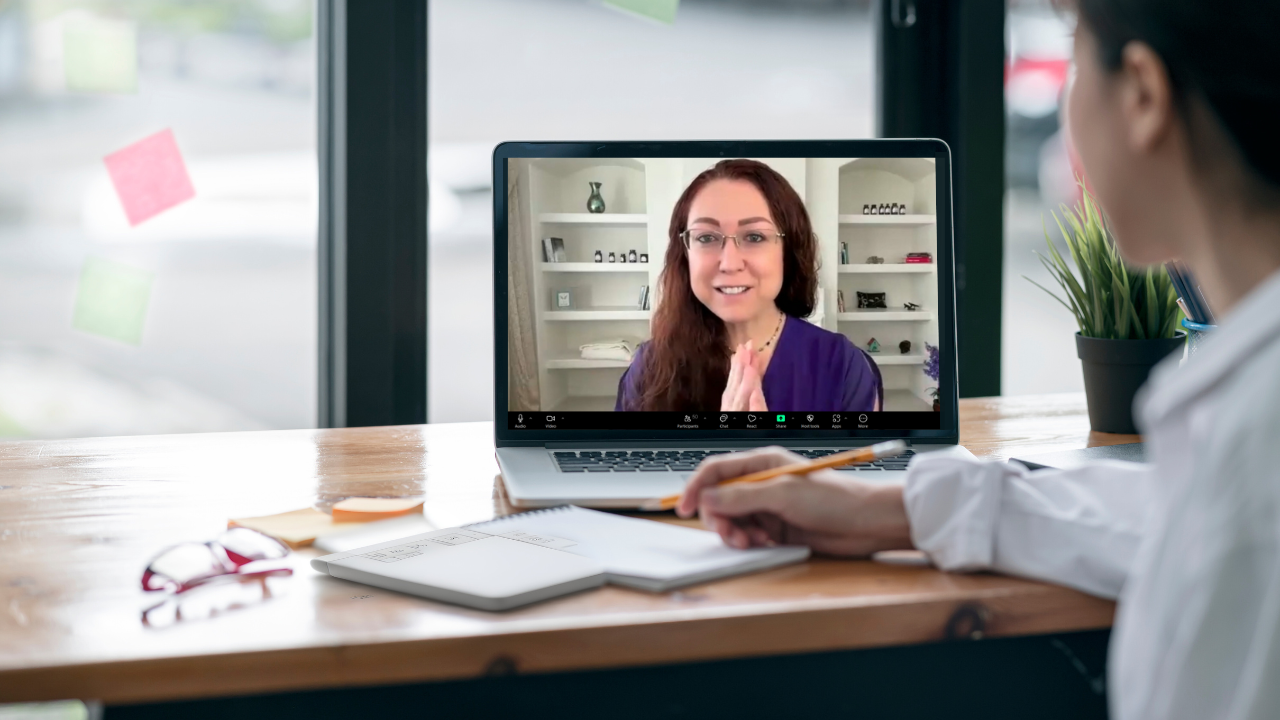
Here Is The Step-By-Step Curriculum
This course maps how the stress response becomes stored biology — and the three-level approach to finally complete it.
WEEK 1: Stress Response and Trauma Response
WEEK 4: When Early Life Was Stressful: Stress, Cortisol and Learned Helplessness
WEEK 2: HPA Axis, Cortisol and Adrenal Glands Through The Lens of Stress and Trauma
WEEK 5: Stress: The Sacredness and The Cost
WEEK 3: The Neurobiology of Stress and Anxiety
WEEK 6: Building Mental and Emotional Resilience For Weathering Life’s Storms
What's All Included in this Training
Below is the weekly schedule of live sessions.
Please note that time are listed as Pacific Standard Time zone.
Guided Somatic & Parts Work Sessions
Mondays at 10:00 am PST
Integration Sessions
Thursdays at 2:00 pm PST
Implementation Meetings
with Q&A
- Friday, July 17th at 8:00 am PST
- Friday, July 31st at 4:30 pm PST
A peer-to-peer discussion on ways to implement these course concepts into your own stress patterns first — and in the work you do with others.
Final Oral Presentation Practice Session
Friday, August 7th
(8:00 am or 4:30 pm PST)
Final Oral Presentation
Friday, August 14th
(8:00 am or 4:30 pm PST)








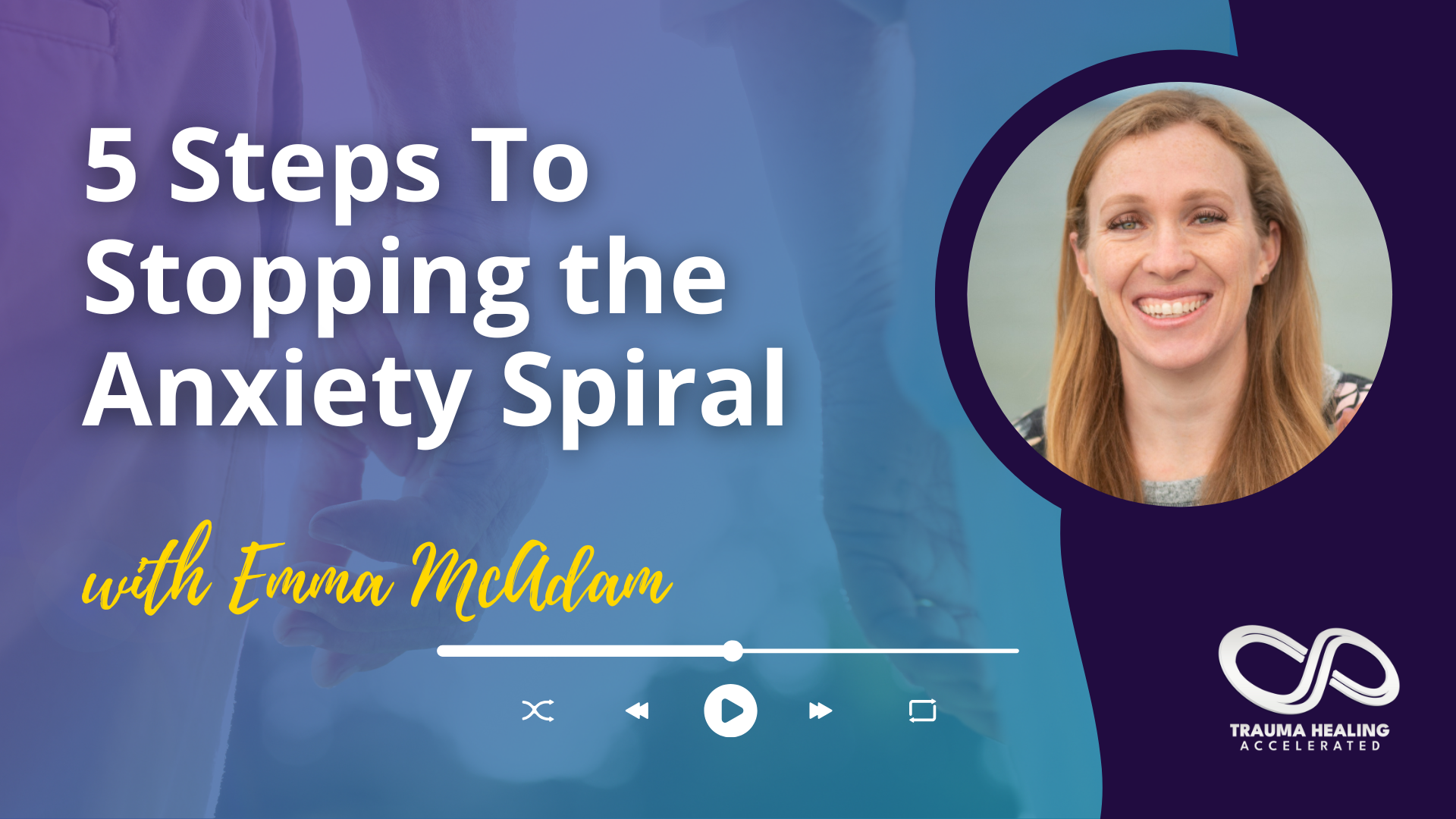
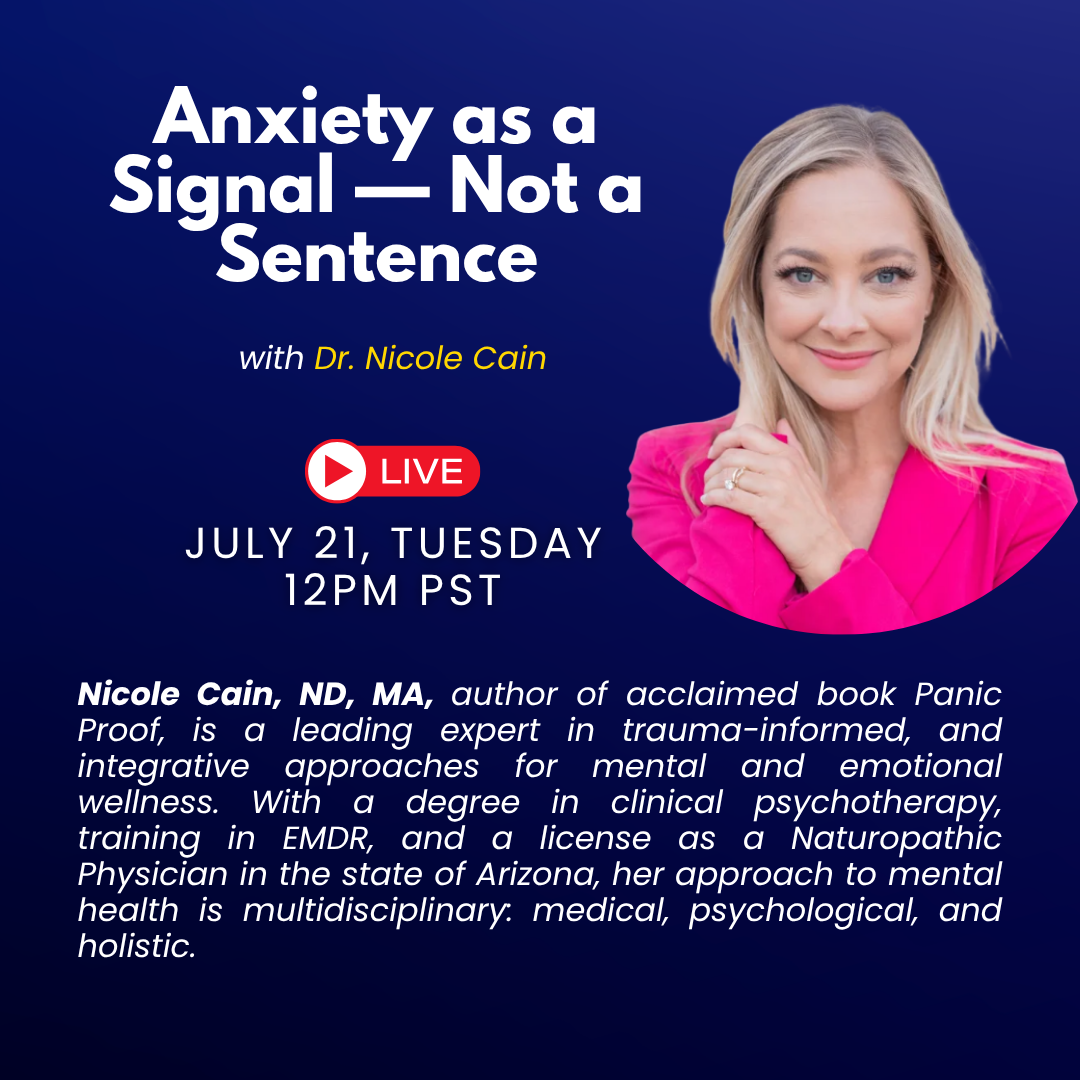
A 35-minute conversation with Emma McAdam, Licensed Marriage & Family Therapist and creator of the Therapy in a Nutshell YouTube channel, on how to regulate stress, build resilience, and reclaim emotional balance — without the overwhelm.
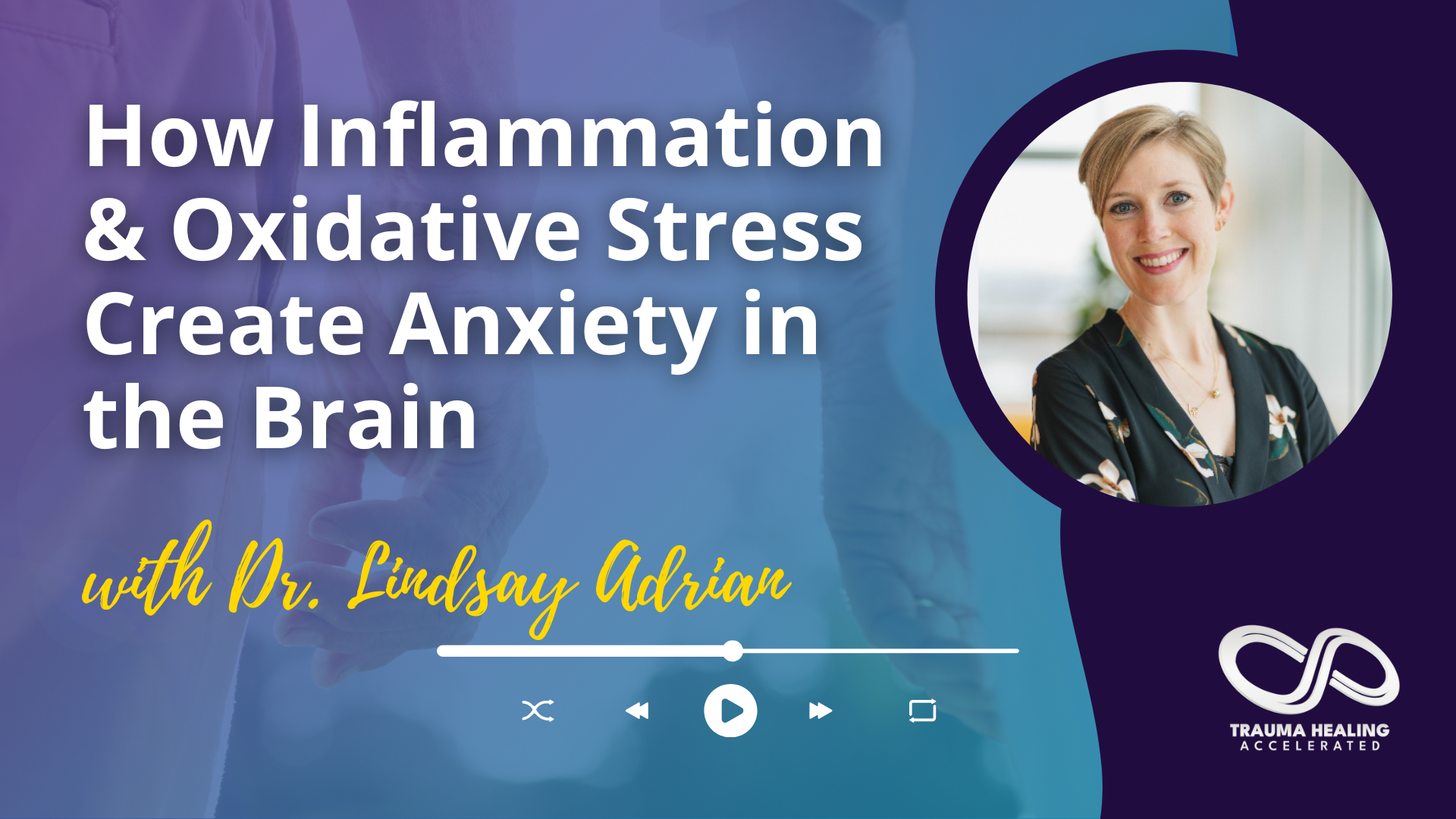
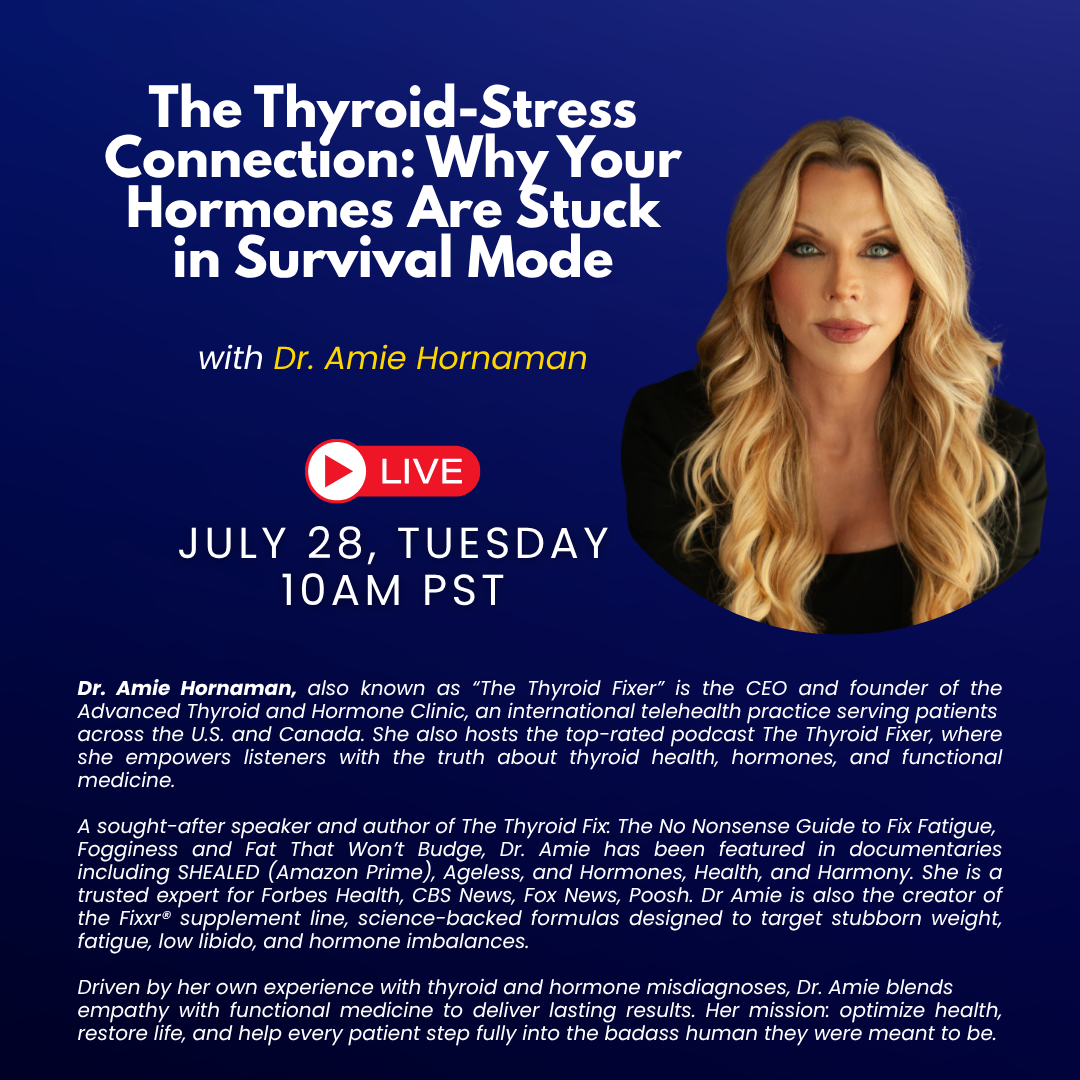
A 60-minute interview with Dr. Lindsay Adrian, naturopathic doctor and oncology fellow, on how chronic stress drives inflammation, oxidative stress, and anxiety in the brain & what restoring the body's natural rhythms actually does at the biological level.
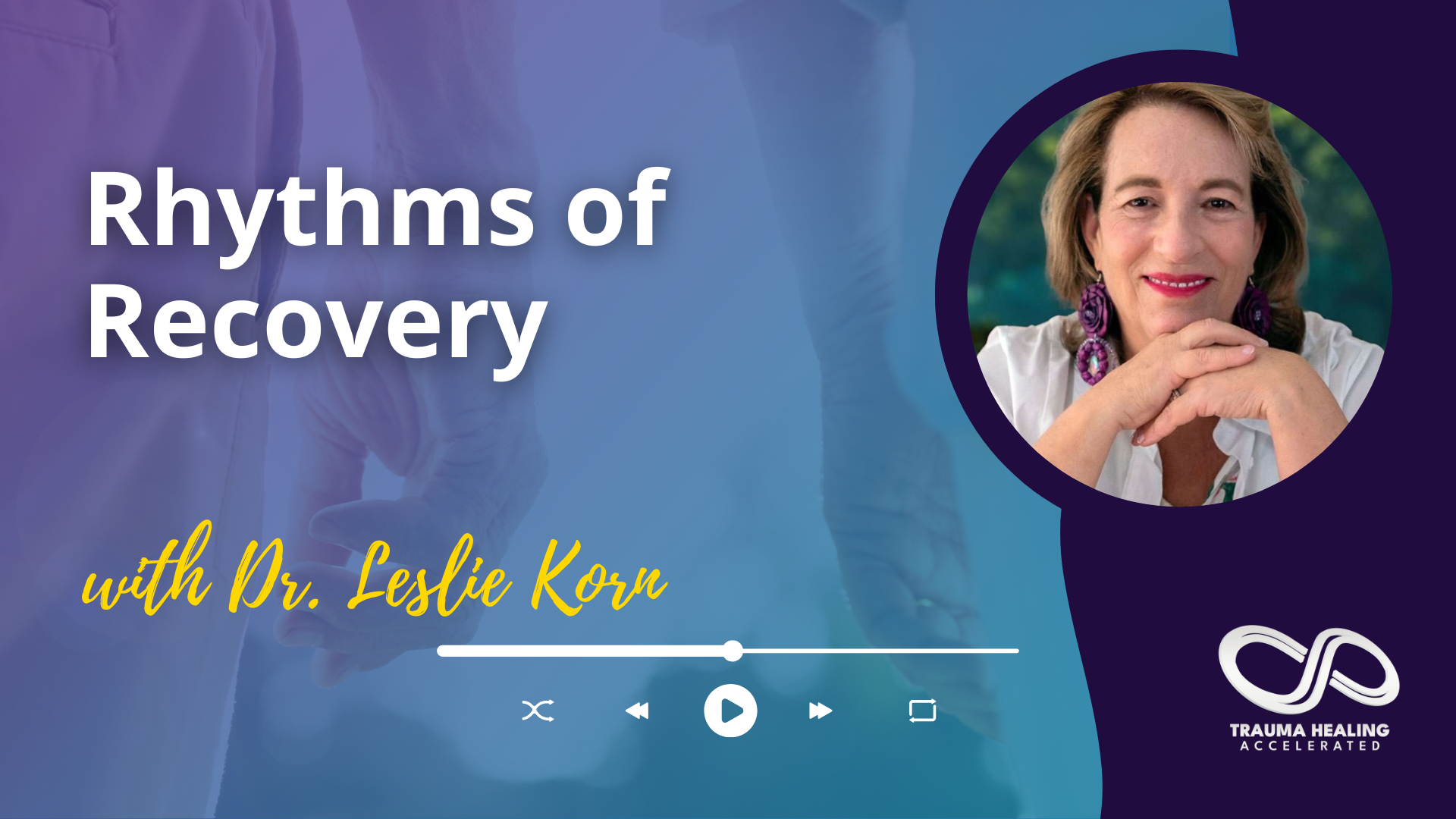
A 60-minute interview with Dr. Leslie Korn, Harvard-trained traumatologist and mental health nutrition expert, on the connection between trauma, brain health & chronic illness and the integrative approaches that restore biological rhythms & support recovery.

Who Is This Training NOT For?
This training is not a good fit for those that:
- Only interested in professional but not personal growth
- Do not enjoy online learning
- Dislike working in a group environment
- Do not have 3 hours weekly to invest in yourself and your practice
- Will need but not willing to pay for one-one support
- Are wanting to receive therapy or medical care
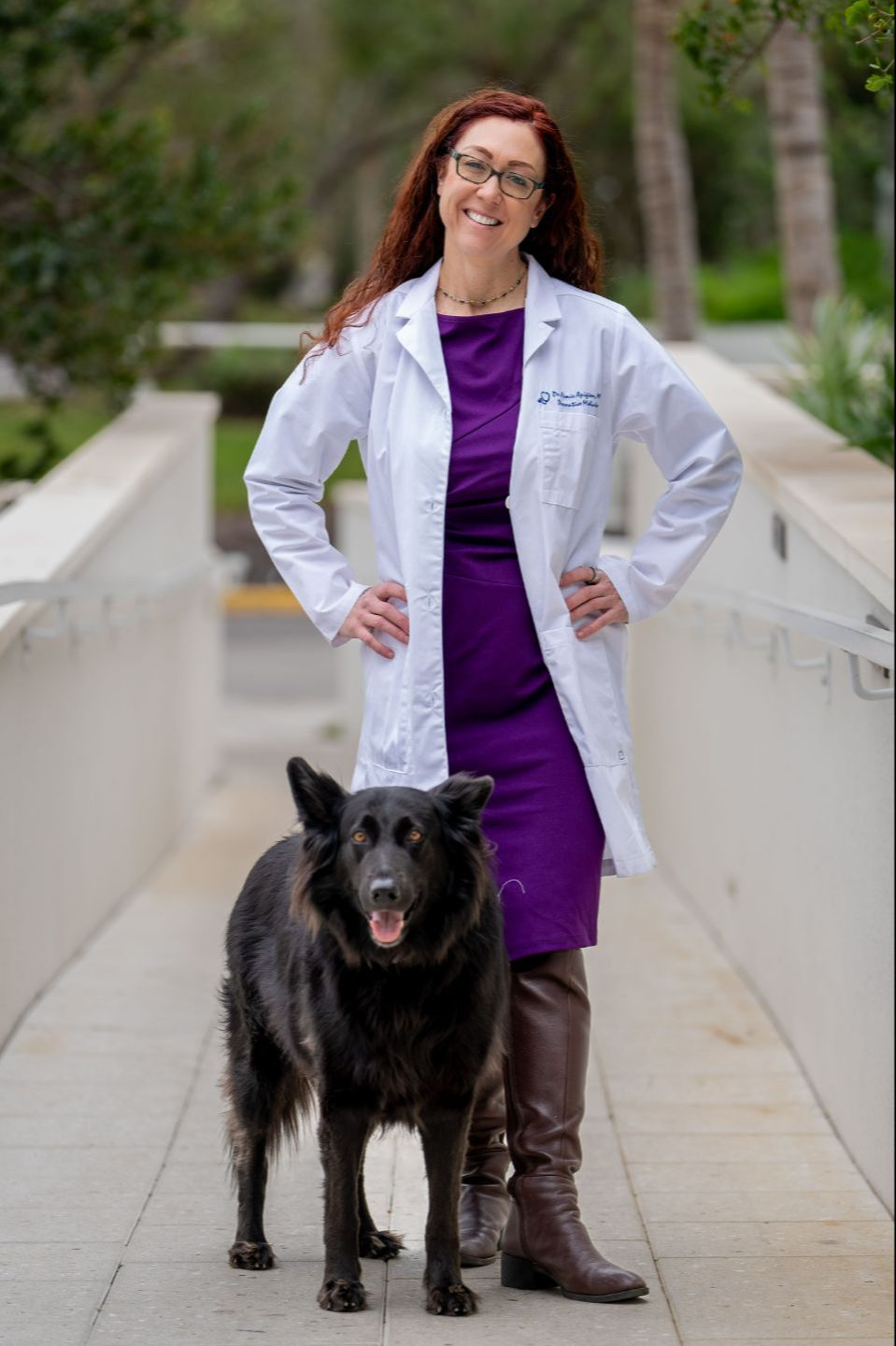
Aimie Apigian, MD, MS, MPH
Physician. Researcher. Patient. Guide.
Aimie Apigian is a double board-certified physician in Preventive Medicine and Addiction Medicine with master's degrees in biochemistry and public health. She is the founder of Trauma Healing Accelerated® and author of the USA Today bestselling book, The Biology of Trauma—with a foreword by Dr. Gabor Maté.
Her framework didn't come from textbooks. It came from necessity.
As a surgical resident and functional medicine physician, she saw patients whose stress had made them sick. As a foster-adoptive mother to her son Miguel, she experienced firsthand how trauma creates deep patterns. As someone who lived her own health collapse—chronic fatigue, autoimmunity, anxiety, and unexplained symptoms—she discovered what was missing from every approach she tried.
That missing piece became the Biology of Trauma® framework and an integration of psychology, somatics, and biology in the sequence the body needs to heal.
She is a certified Somatic Experiencing practitioner trained under Dr. Peter Levine, with additional certifications in NeuroAffective Touch, Internal Family Systems, and the Instinctual Trauma Response Model. She has presented at Oxford University's Masters Series on Trauma, the Institute for Functional Medicine, and the Integrative Medicine for Mental Health Conference.
Her podcast features conversations with leading trauma experts including Dr. Gabor Maté, Dr. Bessel van der Kolk, Dr. Peter Levine, and Dr. Stephen Porges.
She has guided hundreds of thousands through this work.



What is the Biology of Stress, Rest & Resilience Module?
What is the schedule?
Are sessions prerecorded or live?
What if I miss or can't make a session? Will they be recorded?
What are the prerequisites?
I heard it is a part of the Biology of Trauma® Track. Can you explain this more?
What are the different tracks?
Can I change tracks?
Are the recordings available only to participants or are participants allowed to share the course material with outside people?
Can you tell me more about the two installment payments?
Do you provide references for your course materials?
How can I incorporate what you covered in the 21 Day Journey into the Stress, Rest & Resilience Module?
Do you accept late submissions of homework assignments?
Disclaimer: This is not a course that gives you a license as a provider nor is it a health or trauma recovery coach credentialing program. At the completion of each module, you will receive a Certificate of Completion indicating you have achieved competency on that specific topic of Biology of Trauma®. At the completion of all 6 modules of the Certificate Course, you will receive a Certificate of Completion from Trauma Healing Accelerated®. This is a certificate that you will be adding to your professional work capacities.
You are still held to the restrictions, responsibilities, and privileges of your primary license and board.
Medical Disclosure: The information and programs presented on or through this website are made available to equip you with knowledge and tools. All the materials in this course are intended for educational purposes. This information or any programs that are offered are not (nor are they a substitute for) medical advice, diagnosis, or treatment. For any physical or mental health issues, I recommend you work with a qualified health provider who will also support your desire to address the effects of trauma.